Buy stromerzeuger.eu ?
We are moving the project
stromerzeuger.eu .
Are you interested in purchasing the domain
stromerzeuger.eu ?
domain@kv-gmbh.de · 0541-91531010
Buy stromerzeuger.eu ?
Is PrEP accessible to everyone?
PrEP (Pre-Exposure Prophylaxis) is not equally accessible to everyone. While it is an effective tool in preventing HIV transmission, its availability and affordability vary across different regions and populations. In some places, PrEP may be expensive or difficult to access due to lack of awareness, stigma, or limited healthcare resources. Efforts are being made to increase access to PrEP for those who need it, but there are still barriers that prevent everyone from being able to easily obtain and use this preventive measure. **
What are peptide bonds?
Peptide bonds are covalent bonds that link amino acids together in a protein chain. They are formed through a condensation reaction between the carboxyl group of one amino acid and the amino group of another amino acid, resulting in the release of a water molecule. Peptide bonds are crucial for maintaining the structure and function of proteins, as they determine the sequence of amino acids in a protein chain. **


Similar search terms for K18-Peptide-Prep-Detox
Top-Angebote
Products related to K18-Peptide-Prep-Detox:
-
K18 K18 Leave-In Molecular Repair Hair Mask 15ml and Molecular RepairK18 Leave-In Molecular Repair Hair Mask 15mlDiscover the K18 Leave-In Molecular Repair Hair Mask 15ml , for strengthened, moisturised hair with improved elasticity.This leave-in treatment mask is designed for for all hair types to reverse damage in 4 minutes. This mask helps to maintain hair strength and elasticity in-between appointments.Patented K18PEPTIDE™ technology works to repair damage, restoring strength, softness, smoothness, and bounce to hair.Restore your hair's strength, softness and bounce with this repairing mask that works to heal damage from bleach, colour, chemical services, heat, and mechanical styling.K18 Molecular Repair Hair Mist 30mlK18 Professional Molecular Repair Hair Mist 30ml offers salon-level molecular repair in a compact, travel-ready format. Powered by the patented K18Peptide™, this ultra-light mist acts as an advanced pre-service treatment to fortify and protect hair before chemical processes such as colouring or bleaching. It penetrates deeply to rebuild broken keratin chains, helping restore elasticity while minimizing breakage. Perfect for mobile stylists or clients looking for professional-grade results at home, it prepares the hair for greater strength and noticeable vitality in just 4 minutes. Small in size yet highly effective, it's a scientifically proven solution for stronger, healthier hair.Key BenefitsReverses and heals hair damage from bleach, color, chemical services, and heat styling in just 4 minutes - Powered by patented K18PEPTIDE™ technology to restore strength, softness, smoothness, and bounce - Protects and fortifies all hair types by deeply penetrating to rebuild broken keratin chains and minimize breakageIngredients:K18 Leave-In Molecular Repair Hair Mask 15MlWater (Aqua) (Eau), Alcohol Denat., Propylene Glycol, Cetearyl Alcohol, Dicaprylyl Ether, Cetyl Esters, Behentrimonium Chloride, Polysorbate 20,Sh-Oligopeptide-78 (K18Peptide™), Hydrolyzed Wheat Protein, Hydrolyzed Wheat Starch, Isopropyl Alcohol, Tocopherol, Phenoxyethanol, Potassium Sorbate, Citric Acid, Fragrance (Parfum), Geraniol, Linalool, Hexyl Cinnamal, Benzyl Alcohol.70,00 £*Shipping: 0,00 £Secure redirect to the provider



-
What is correct: peptide bond?
A peptide bond is a covalent bond that forms between the carboxyl group of one amino acid and the amino group of another amino acid during protein synthesis. This bond is formed through a condensation reaction, where a molecule of water is removed. The resulting bond is a strong and stable linkage that holds the amino acids together in a protein chain. Therefore, the correct term is "peptide bond" to describe this specific type of covalent bond between amino acids. **
-
What is a peptide bond, peptide chain, peptide group, di-, tri-, and polypeptide? Can you please explain this briefly and simply? Thank you.
A peptide bond is a chemical bond that forms between the carboxyl group of one amino acid and the amino group of another amino acid. When multiple amino acids are linked together by peptide bonds, they form a peptide chain. A peptide group refers to a group of amino acids linked together by peptide bonds. A dipeptide is a chain of two amino acids, a tripeptide has three amino acids, and a polypeptide is a chain of many amino acids linked together. These chains of amino acids are the building blocks of proteins. **
-
'Do both partners need to take PrEP?'
Both partners do not necessarily need to take PrEP, but it is recommended for individuals who are at a higher risk of contracting HIV. If one partner is HIV-positive and the other is HIV-negative, the HIV-negative partner may consider taking PrEP as an additional layer of protection. However, it is important to consult with a healthcare provider to determine the best course of action based on individual circumstances and risk factors. **
-
'Do both partners have to take PrEP?'
Both partners do not have to take PrEP, but it is recommended for individuals who are at high risk of HIV infection to consider taking it. PrEP is an effective way to reduce the risk of HIV transmission, especially for individuals in serodiscordant relationships where one partner is HIV-positive and the other is HIV-negative. However, it is important for both partners to communicate openly about their sexual health and make informed decisions about their HIV prevention strategies. **
What is the stability of peptide bonds?
Peptide bonds are relatively stable under normal physiological conditions. They are formed through a condensation reaction between the carboxyl group of one amino acid and the amino group of another, resulting in the release of a water molecule. This covalent bond is strong and resistant to hydrolysis, making it stable in the presence of water. However, under extreme conditions such as high temperature or strong acids or bases, peptide bonds can be hydrolyzed, leading to the breakdown of the peptide chain. **
How does hydrolysis occur during peptide cleavage?
Hydrolysis occurs during peptide cleavage when a water molecule is used to break the bond between the carboxyl group of one amino acid and the amino group of another. This process involves the addition of a water molecule to the peptide bond, resulting in the separation of the two amino acids. The water molecule donates a hydrogen ion to one amino acid and a hydroxide ion to the other, causing the bond to break and the peptide to be cleaved. This hydrolysis reaction is catalyzed by enzymes called proteases, which facilitate the cleavage of peptides in biological systems. **
Top-Angebote
Products related to K18-Peptide-Prep-Detox:
-
K18 Peptide Prep Detox Shampoo ClarifyingA shampoo. Remove buildup, oils, and metals in one wash while preserving color and strength. Removes 99% product buildup*, 95% sebum*, and 76% copper* in one wash. pH-optimized, color-safe, non-stripping formula. Preps hair for maximum treatment absorption. Targets metals from hard water like nickel, lead, and zinc.34,69 £*Shipping: 6,86 £Secure redirect to the provider
-
K18 K18 Leave-In Molecular Repair Hair Mask 15ml and Molecular RepairK18 Leave-In Molecular Repair Hair Mask 15mlDiscover the K18 Leave-In Molecular Repair Hair Mask 15ml , for strengthened, moisturised hair with improved elasticity.This leave-in treatment mask is designed for for all hair types to reverse damage in 4 minutes. This mask helps to maintain hair strength and elasticity in-between appointments.Patented K18PEPTIDE™ technology works to repair damage, restoring strength, softness, smoothness, and bounce to hair.Restore your hair's strength, softness and bounce with this repairing mask that works to heal damage from bleach, colour, chemical services, heat, and mechanical styling.K18 Molecular Repair Hair Mist 30mlK18 Professional Molecular Repair Hair Mist 30ml offers salon-level molecular repair in a compact, travel-ready format. Powered by the patented K18Peptide™, this ultra-light mist acts as an advanced pre-service treatment to fortify and protect hair before chemical processes such as colouring or bleaching. It penetrates deeply to rebuild broken keratin chains, helping restore elasticity while minimizing breakage. Perfect for mobile stylists or clients looking for professional-grade results at home, it prepares the hair for greater strength and noticeable vitality in just 4 minutes. Small in size yet highly effective, it's a scientifically proven solution for stronger, healthier hair.Key BenefitsReverses and heals hair damage from bleach, color, chemical services, and heat styling in just 4 minutes - Powered by patented K18PEPTIDE™ technology to restore strength, softness, smoothness, and bounce - Protects and fortifies all hair types by deeply penetrating to rebuild broken keratin chains and minimize breakageIngredients:K18 Leave-In Molecular Repair Hair Mask 15MlWater (Aqua) (Eau), Alcohol Denat., Propylene Glycol, Cetearyl Alcohol, Dicaprylyl Ether, Cetyl Esters, Behentrimonium Chloride, Polysorbate 20,Sh-Oligopeptide-78 (K18Peptide™), Hydrolyzed Wheat Protein, Hydrolyzed Wheat Starch, Isopropyl Alcohol, Tocopherol, Phenoxyethanol, Potassium Sorbate, Citric Acid, Fragrance (Parfum), Geraniol, Linalool, Hexyl Cinnamal, Benzyl Alcohol.70,00 £*Shipping: 0,00 £Secure redirect to the provider
-
Is PrEP accessible to everyone?
PrEP (Pre-Exposure Prophylaxis) is not equally accessible to everyone. While it is an effective tool in preventing HIV transmission, its availability and affordability vary across different regions and populations. In some places, PrEP may be expensive or difficult to access due to lack of awareness, stigma, or limited healthcare resources. Efforts are being made to increase access to PrEP for those who need it, but there are still barriers that prevent everyone from being able to easily obtain and use this preventive measure. **
-
What are peptide bonds?
Peptide bonds are covalent bonds that link amino acids together in a protein chain. They are formed through a condensation reaction between the carboxyl group of one amino acid and the amino group of another amino acid, resulting in the release of a water molecule. Peptide bonds are crucial for maintaining the structure and function of proteins, as they determine the sequence of amino acids in a protein chain. **
-
What is correct: peptide bond?
A peptide bond is a covalent bond that forms between the carboxyl group of one amino acid and the amino group of another amino acid during protein synthesis. This bond is formed through a condensation reaction, where a molecule of water is removed. The resulting bond is a strong and stable linkage that holds the amino acids together in a protein chain. Therefore, the correct term is "peptide bond" to describe this specific type of covalent bond between amino acids. **
-
What is a peptide bond, peptide chain, peptide group, di-, tri-, and polypeptide? Can you please explain this briefly and simply? Thank you.
A peptide bond is a chemical bond that forms between the carboxyl group of one amino acid and the amino group of another amino acid. When multiple amino acids are linked together by peptide bonds, they form a peptide chain. A peptide group refers to a group of amino acids linked together by peptide bonds. A dipeptide is a chain of two amino acids, a tripeptide has three amino acids, and a polypeptide is a chain of many amino acids linked together. These chains of amino acids are the building blocks of proteins. **
Similar search terms for K18-Peptide-Prep-Detox
-
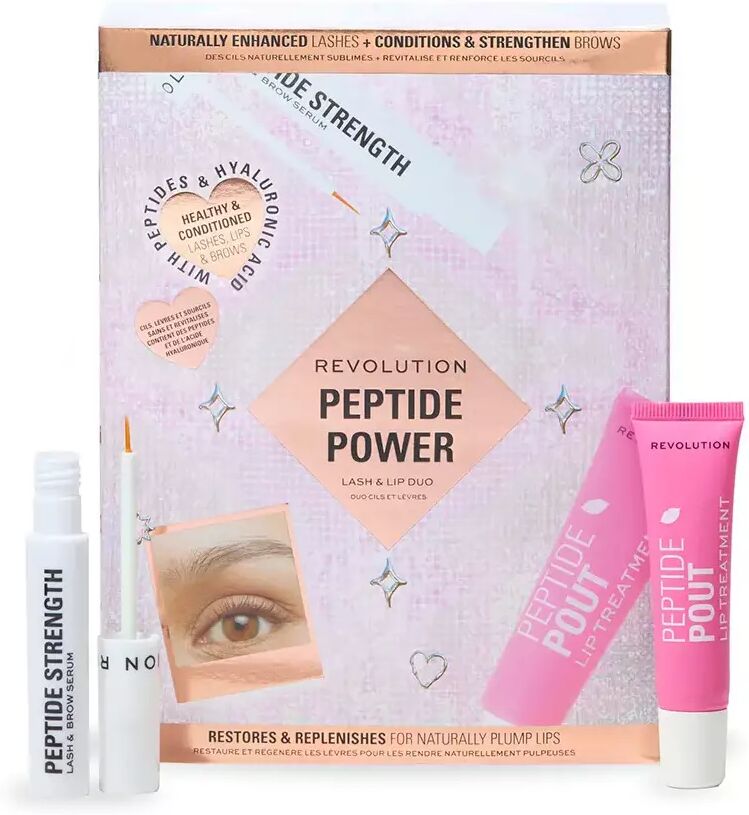
Revolution Beauty London Peptide Power Case 2 PiecesHealth and Beauty Treatments Revolution Beauty London Peptide Power Case 2 Pieces What is Revolution Make Up Peptide Power 2 Piece Set Lip Treatment 15 ml + Eyelash & Brow Treatment 3 ml: Revolution Make Up Peptide Power is an innovative intensive care set that combines two essential treatments in one kit. This set includes a 15 ml Lip Treatment to nourish, repair and protect the delicate skin of the lips, and a 3 ml Eyelash & Brow Treatment that strengthens, lengthens and densifies each hair, offering a more defined and healthier look. Benefits: - Softer, more nourished lips: deeply moisturizes and repairs dry or chapped lips. - Strengthening eyelashes and eyebrows: improves density and prevents hair loss. - Stimulates natural growth: active peptides help regenerate and strengthen follicles. - A more defined look: longer eyelashes and fuller eyebrows for a natural effect. - Daily protection: keeps lips and facial hair protected against external agents. Who is it for? Revolution Make Up Peptide Power is designed for people who want to improve the health and appearance of their lips, eyelashes, and eyebrows. It's ideal for those who: - Have dry, chapped or damaged lips. - They are looking for thicker and stronger eyelashes and eyebrows. - They want a complete treatment in a single case. - They want to enhance daily care with professional, highly effective ingredients. How is it applied? - Lip Treatment: Apply a generous amount to clean, dry lips. Massage gently until completely absorbed. Can be applied several times a day as needed. - Eyelash and eyebrow treatment: Use the applicator to distribute the product from root to tip of clean eyelashes and eyebrows. Apply preferably at night for optimal results. - Avoid direct contact with eyes and mucous membranes. Product use: For visible results, consistent, daily use is recommended. Revolution Make Up Peptide Power integrates easily into your beauty routine, offering deep nourishment, protection, and growth stimulation. With its advanced formula, it's perfect for both daily use and intensive repair and strengthening treatments. Buy Revolution Make Up Peptide Power 2-Piece Set: Lip Treatment 15 ml + Eyelash and Brow Treatment 3 ml: Buy Revolution Make Up Peptide Power now and transform the appearance of your lips, eyelashes, and eyebrows. Enjoy a professional treatment with visible results in just a few weeks. Don't wait any longer to experience the perfect combination of care and beauty in a single set.14,43 £*Shipping: 3,99 £Secure redirect to the provider
-
'Do both partners need to take PrEP?'
Both partners do not necessarily need to take PrEP, but it is recommended for individuals who are at a higher risk of contracting HIV. If one partner is HIV-positive and the other is HIV-negative, the HIV-negative partner may consider taking PrEP as an additional layer of protection. However, it is important to consult with a healthcare provider to determine the best course of action based on individual circumstances and risk factors. **
-
'Do both partners have to take PrEP?'
Both partners do not have to take PrEP, but it is recommended for individuals who are at high risk of HIV infection to consider taking it. PrEP is an effective way to reduce the risk of HIV transmission, especially for individuals in serodiscordant relationships where one partner is HIV-positive and the other is HIV-negative. However, it is important for both partners to communicate openly about their sexual health and make informed decisions about their HIV prevention strategies. **
-
What is the stability of peptide bonds?
Peptide bonds are relatively stable under normal physiological conditions. They are formed through a condensation reaction between the carboxyl group of one amino acid and the amino group of another, resulting in the release of a water molecule. This covalent bond is strong and resistant to hydrolysis, making it stable in the presence of water. However, under extreme conditions such as high temperature or strong acids or bases, peptide bonds can be hydrolyzed, leading to the breakdown of the peptide chain. **
-
How does hydrolysis occur during peptide cleavage?
Hydrolysis occurs during peptide cleavage when a water molecule is used to break the bond between the carboxyl group of one amino acid and the amino group of another. This process involves the addition of a water molecule to the peptide bond, resulting in the separation of the two amino acids. The water molecule donates a hydrogen ion to one amino acid and a hydroxide ion to the other, causing the bond to break and the peptide to be cleaved. This hydrolysis reaction is catalyzed by enzymes called proteases, which facilitate the cleavage of peptides in biological systems. **
* All prices are inclusive of VAT and, if applicable, plus shipping costs. The offer information is based on the details provided by the respective shop and is updated through automated processes. Real-time updates do not occur, so deviations can occur in individual cases. ** Note: Parts of this content were created by AI.